
Polycystic Ovarian Syndrome diagnosis procedures using trained artificial intelligence (AI) and machine learning (ML) models are now possible thanks to recent technological advances.
Medical Technology © Elen Sher
“Many women go undiagnosed for many years”
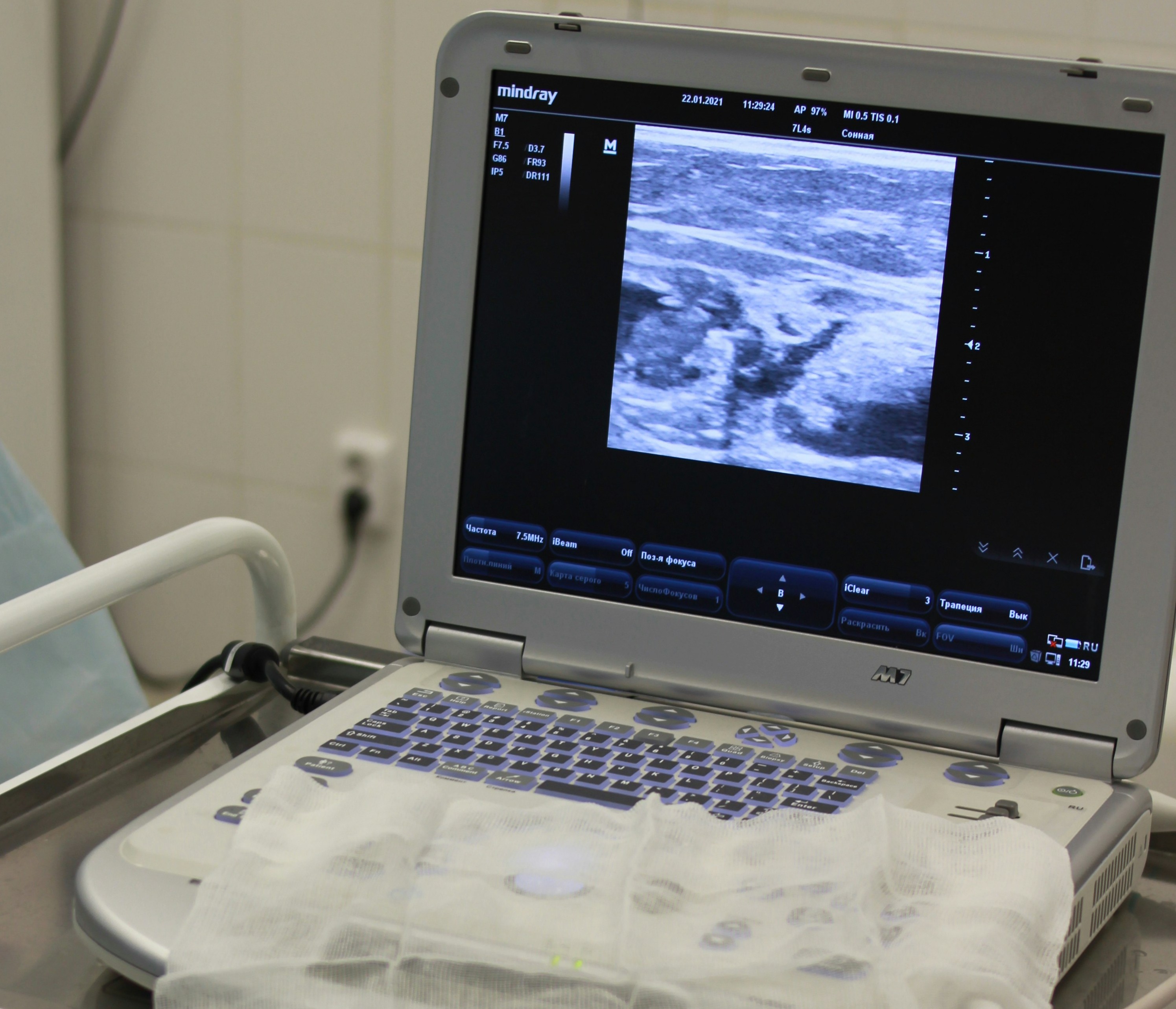
Hormonal disorder, PCOS, affects 1 in 10 women in the UK. There has been a monumental breakthrough in diagnostic procedures, driven by recent technological advances that use artificial intelligence to analyse ultrasound images of the female reproductive system.
Polycystic Ovarian Syndrome diagnosis is usually categorised with symptoms of irregular menstrual cycles, hair loss/growth, fatigue, and mood swings. Ultrasound scans are used in diagnostic procedures to detect polycystic ovaries, which are often underdeveloped and contribute to hormonal issues in the endocrine system.
Researchers are now training AI/ML models to detect PCOS by using scientific papers and datasets that meet eligibility criteria for women aged 18 to 29, according to a study by the National Institutes of Health.
Inputting data from research papers with women fitting into the categorised diagnosis of PCOS, these AI/ML models have become successful in their diagnosis, meaning women across the globe who are often unheard by doctors have a fighting chance for their health.
Registered Nutritionist and founder of Ovie Health, a PCOS recognised brand, Clare Goodwin shares her view on using AI to diagnose PCOS:
“Generally, I think that using AI models to diagnose PCOS is a really great progress. The reason for that is that the diagnosis of PCOS is not clear-cut, and many women go undiagnosed for many years” Goodwin further comments, “The downside that I see is that those models have to be trained in order to ask the right questions, sometimes AI models are not great at being particularly critical.”
Using artificial intelligence has the risk of misdiagnosing, or only diagnosing based on criteria, but as Goodwin shares, there is no straightforward process to diagnosing polycystic ovarian syndrome, as there are so many different symptoms involved, which often leads to inaccurate diagnosis procedures by doctors.
Medical Equipment © Julia Zyablova
Polycystic Ovarian Syndrome Diagnosis: “Incredible breakthrough”
Women diagnosed with PCOS are often at risk for other health problems in their lives due to hormonal issues. These can range from Cardiovascular diseases to Type 2 diabetes and other reproductive problems.
Using ultrasound images alongside research papers on women aged 15-45, AI/ML diagnosis accuracy ranged from 80% to 90% according to the National Institutes of Health.
Advocate for Polycystic Ovarian Syndrome and influencer Bel Devenish shares her opinion on a study of diagnostic procedures.
“I definitely don’t think there’s enough education, knowledge or support for women suffering from PCOS so introducing AI to help women get diagnosed and start treatment to heal their bodies is an incredible breakthrough. I’m excited to see how this progresses and how it can help women who suffer from this condition.”
This breakthrough means a long-standing, under-researched disease will finally be treated with the urgency it deserves by healthcare professionals. Many women suffering believe that using AI to diagnose PCOS will have a positive impact on female healthcare.