
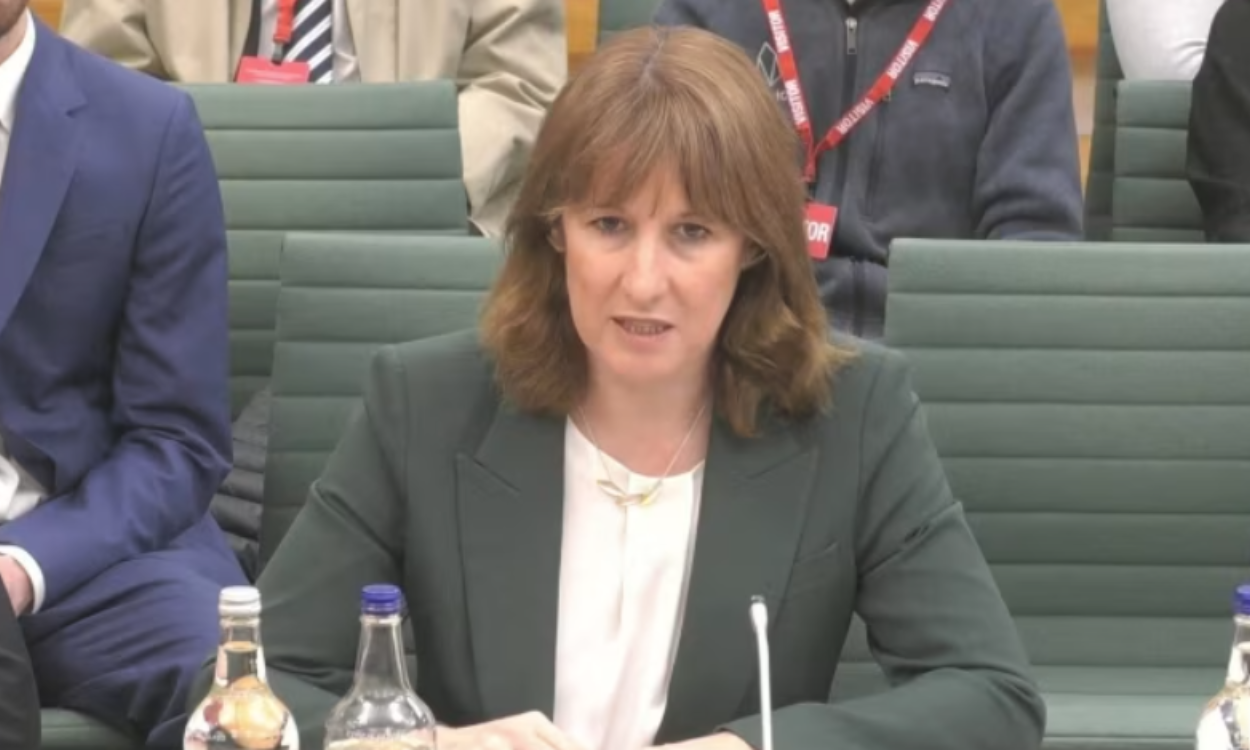
Picture of Chancellor Rachel Reeves.
What is property income tax? Is the tax charge on profits earned by rental properties. This rise will be implemented in April 2027. The current rate is 20% but with the rise, it will change to 22%, meaning that landlords will pay more tax on the income they make from letting out their properties. The first £1000 of rental income is still protected through the property income allowance (for things like maintenance on the property), but the rest of the income will be taxed at a higher rate.
To understand how this is being received by those in the property sector, I spoke to property conveyancer Chloe Robin and landlord Chris Biard. Both expressed minimal concern about the increase, describing that in the grand scheme of things, the financial impact of this new tax is minuscule.
Chloe Robin added that she thinks it’s very unlikely landlords will ‘sell up’ as a result of the change. Instead, she stated that they have other options to offset the higher tax, such as increasing a tenants rent with a section 13 notice.

Picture of Property Conveyancer Chloe Robin.
Biard suggests that landlords are very unlikely to raise rents immediately in response to the tax increase. Instead, he believes that any future rent increases will be driven by other pressures in the housing market, including the competitiveness of the housing market and the cost-of-living crisis.
However, Chris did express one concern: the long-term direction of the new budget. In his experience, this is the first time landlords have been targeted so directly in a budget, and he worries about what this could signal for the future of people in his position.
He also noted that the tax rise itself has been far less disruptive for him than the new ‘Renters Rights Act’ introduced in October 2025, which strengthens the protections of tenants by restricting how often rents can be increased, extending notice periods, and adding new compliance requirements for landlords. He added that the new legislation has created an increase in administrative work, making it more challenging to keep properties up to code.
Chloe also explained that the tax increase has brought little to no change to her day-to-day work or to the administrative responsibilities of landlords, noting instead that the higher rate will simply eat further into their profits.
Overall, while the new budget introduces a noticeable rise in property income tax, the response from those within the property sector suggests that it doesn’t majorly affect them for the moment. For many landlords, the increase represents a manageable reduction in their profits rather than forcing them to drastically change their operations. Different pressures, such as the housing market, along with the more demanding requirements of the ‘Renters Rights Act’, appear to be a greater concern. As the changes continue throughout the coming years, the long-term effects on both landlords and tenants will become clearer, but currently, the sector continues to run smoothly. Landlords are watchful of what the government have in store for them but remain relatively unfazed by this tax increase.
Listen to radio package here: