
South West Water uses artificial intelligence to detect sewage blockages and algae blooms, which are among the industry’s biggest challenges.
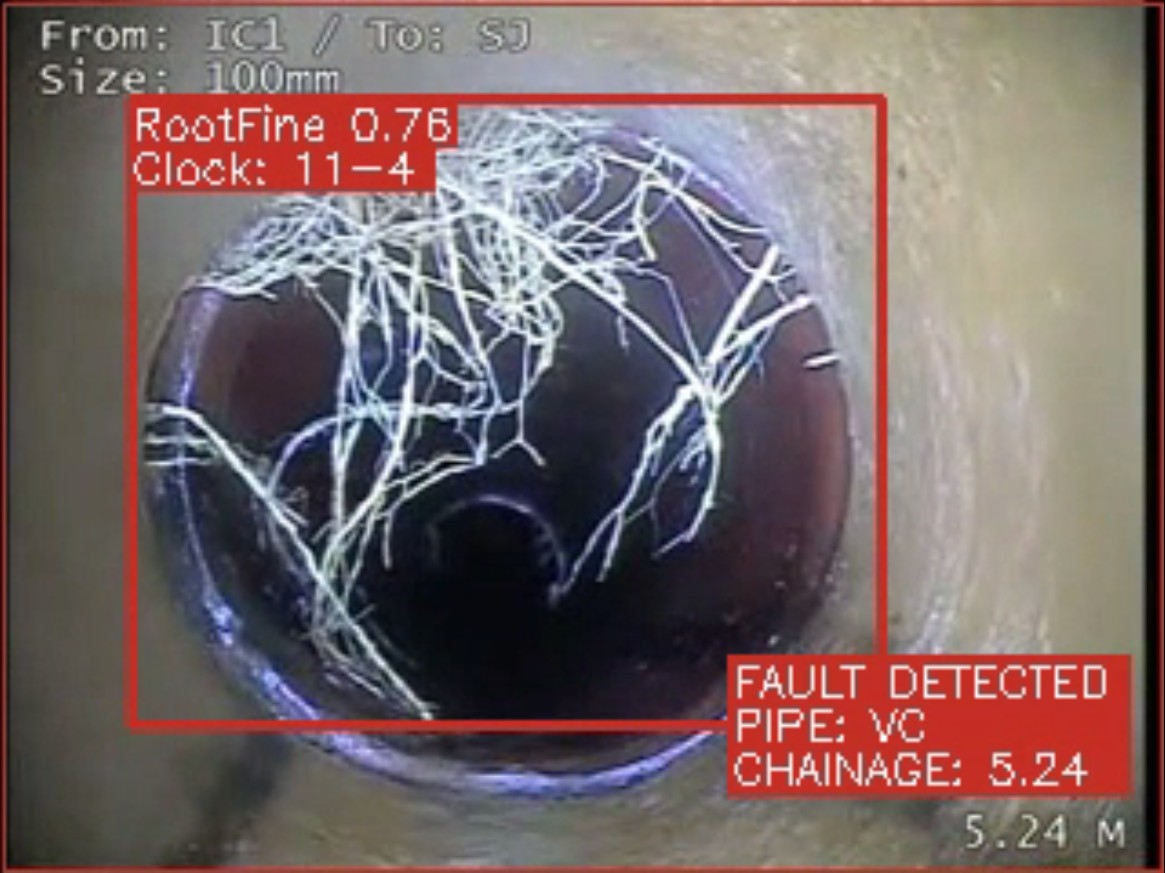
Roots in pipe detected by AI © South West Water
South West Water’s “Digital Detective”
In research led by the University of Exeter, South West Water is implementing AI trials to detect sewer blockages and algae blooms in pipes before they cause widespread issues in sewer systems.
Pollution from materials flushed and poured down drains, such as cotton buds, sanitary pads, grease, and oils, can cause blockages and snags in sewer systems because they do not break down easily, or at all.
South West Water has installed over 12,000 ‘Sewer Level Monitors’ across the region to detect blockages before further damage is caused.
The monitors will operate 24/7 and continuously scan for pollution and blockages caused by materials flushed down the sewage system. The cameras are placed in maintenance holes and trained using machine learning models to detect early blockages.
The University of Exeter is further developing AI technology by training models on studies of blockages and applying them to modern devices to scan pipes. The idea was initially developed by PhD student Josh Myrans over ten years ago, and he is now helping lead the trial.
South West Waters Managing Director for Waste Water, Richard Price, comments from their website:
“The AI acts like a digital detective. It learns what ‘normal’ looks like for each part of the network and spots when something’s wrong even before a human could notice.”
Using machine learning, refined research, and smart AI cameras and sewer level monitors, the systems will train to detect anomalies in sewer systems and prevent early blockages or the spread of pollution.
Anomalies detected by the innovative AI technology will also help prevent future flooding or pipe faults.
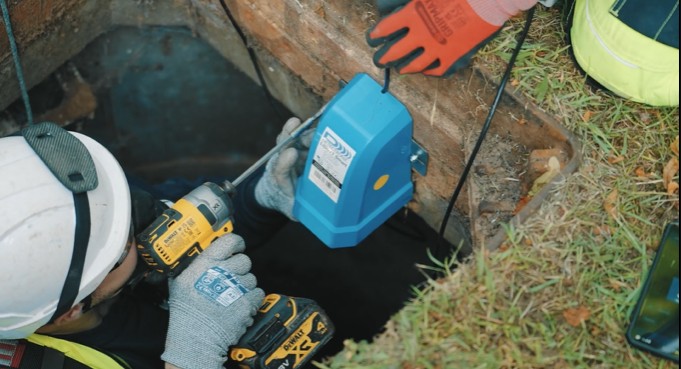
Sewer monitors being fitted © South West Water
“Prevention of early blockages”
South West Water continues to reiterate to customers and households across the region that their involvement in protecting the sewer systems will help prevent future blockages and pollution.
Items that fall under the ‘FOG’ (Fats, Oils and Grease) category, along with any materials other than toilet paper, should not be flushed. Human action will have a more substantial effect on keeping the sewers clean than AI detection, which can fail at any time.
The University of Exeter, in partnership with South West Water, will also be trialling AI-powered analytics within its sewer systems to deliver faster results and detect future problems.
The biggest challenges faced within the industry are blockages and pollution. By revolutionising techniques and identifying faults before they grow into larger issues, AI technology will help customers save money on repairs.
Under trial, South West Water will continue to develop innovative AI technology to detect blockages and pollution, in collaboration with the University of Exeter.