
In 2025, Wimbledon introduced Hawk-Eye’s AI line-judging to the sport’s most traditional Grand Slam, raising concerns about the accuracy of the system and the integrity of tennis’ traditions.
Electronic line-judging first appeared in the 1970s. With technology limited, it had minimal use in professional sport until AI entered the picture in the early 2000s. Following the creation of the Hawk-Eye system.
In 2017, the Next Generation ATP Finals in Milan became the first tournament to use the complete AI line-judging system. Using 6 to 10 cameras to map the movement of the balls from various angles fully. Making split-second analyses and calls regarding the validity of shots.
While its use rose during COVID, many of the larger tournaments refrained from using the system. Roland Garros and Wimbledon were the final Grand Slams to adopt the Hawk-Eye system. With it came a slew of criticism over its inaccuracies and the threat it posed to the longstanding line judges.
Wimbledon in 2025 marked a significant milestone for the Grand Slam, steeped in tradition. However, it was met with outrage from fans and players alike as it saw 300 lines judges replaced.
The outrage grew when the system failed to call a point in Sonay Kartal’s match, costing her a game she should have won. Taylor Fritz equally fell victim to the system when a ballboy got in the way of the system, resulting in a forehand being called out.
Other top players, such as Jack Draper and Emma Raducanu, went on to vocally oppose the use of the system without the support of line judges.
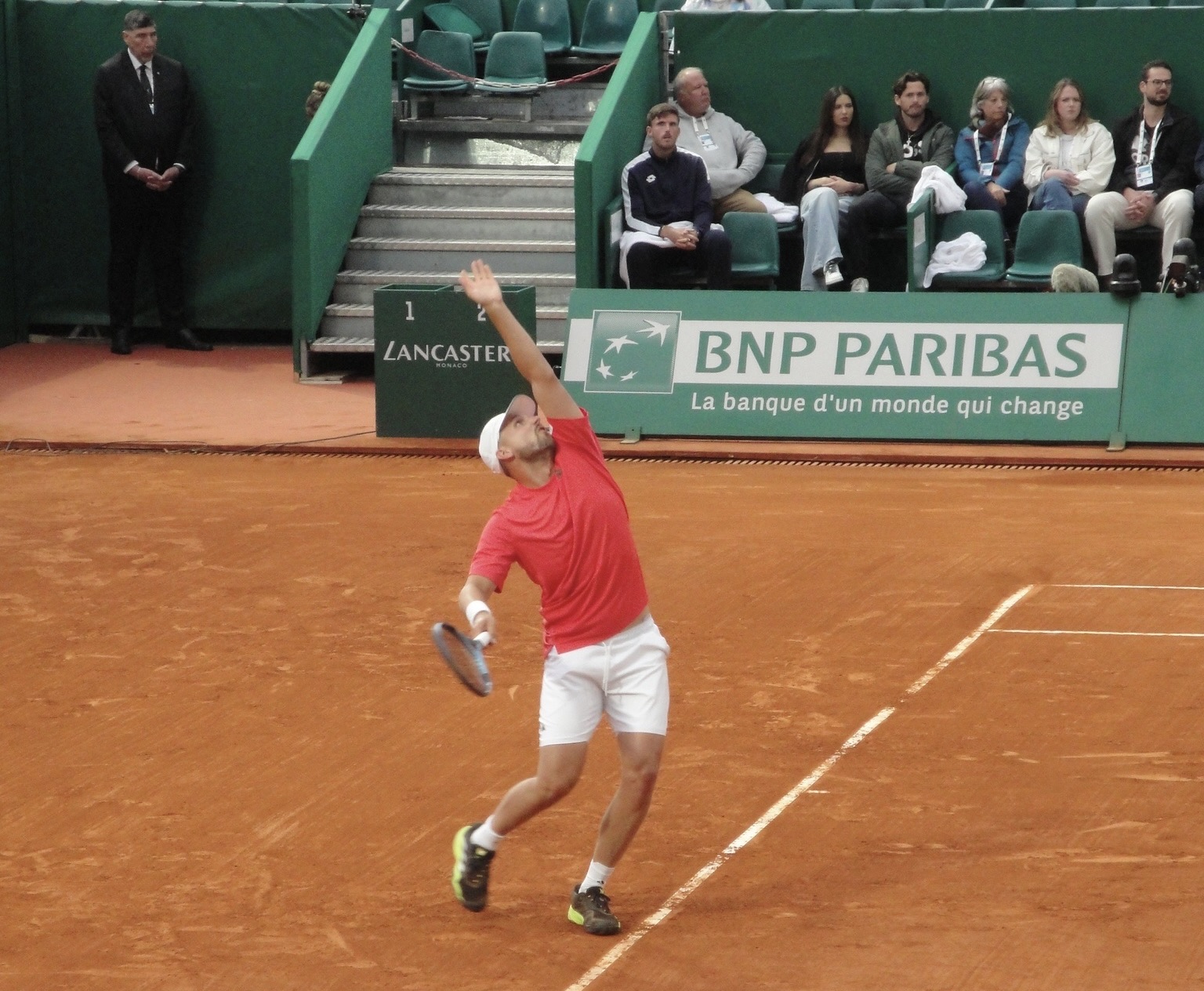
Discontent in the Hawk-Eye system has been rife since its introduction. [Photo Credit: Fleur Rogerson]
A player’s perspective on Hawk-Eye
Georgie Walker is a member of the Wimbledon tennis club. Ahead of the summer tournament, she was asked to help train the Hawk-Eye system on the courts alongside the chair umpires. She praised the system, noting the only issue coming from foot faults.
“The system seemed accurate on almost all of the lines, but it did struggle with detecting foot faults on serves. As far as I could tell, this was the only element still relying on human oversight. I think someone was monitoring the baseline through a camera. Hence, any errors were probably due to human judgment.”
She admitted it’s sad to see Wimbledon lose its ‘iconic’ line judges. Yet, she urged the tournament to keep chair umpires, retaining the critical ‘human element’.
“Wimbledon’s shift to automated line-calling reflects the natural progression of the sport, embracing technology to improve accuracy and consistency while still respecting the tournament’s longstanding traditions.” She said.
“That said, I do hope chair umpires remain on court. Their presence maintains an important human element. It gives players someone to talk to and interact with beyond just the crowd and the automated systems.”
As a player, she divulged that the Hawk-Eye system wouldn’t affect her approach to matches.
“Once you step onto the match court, you get into a focused zone, so I don’t think the technology would affect me – but this is as long as it’s accurate.
“In many of my matches, there’s no Hawk-Eye, and in those situations, the line-calling by umpires can actually be less accurate than if the players were making the calls themselves.”