
As pressure grows for more protection for the UK’s marine ecosystems, Artificial Intelligence is being revealed as a key ally in marine conservation.
From managing vessel movement in Falmouth Harbour to predicting the spread of toxic algae blooms, two separate projects have demonstrated how data-driven technology is helping scientists and local authorities protect both marine life and coastal communities.
Falmouth Harbour harnesses the power of AI
Falmouth Harbour has been awarded a government grant to fund a project that will use the capabilities of Artificial Intelligence to revolutionise safety, efficiency, and protect sensitive habitats.
The technology aims to reduce congestion and waiting times, which are significant contributors to fuel emissions, underwater noise pollution, and the risk of spills. It can also monitor the frequency of anchoring of vessels in sensitive habitats, such as seagrass. Seagrass plays an important role in coastal ecosystems, providing nursery habitats for young fish and helping to absorb carbon.
The systems are designed to support human decision-making. The AI will analyse CCTV and interpret the video to provide safety incident detection and alerts. This allows harbour staff to make more informed decisions and enhance safety and compliance.
This technology, if carried forward, could allow ports to modernise without major physical redevelopment. Offering a more sustainable future for historic harbours.
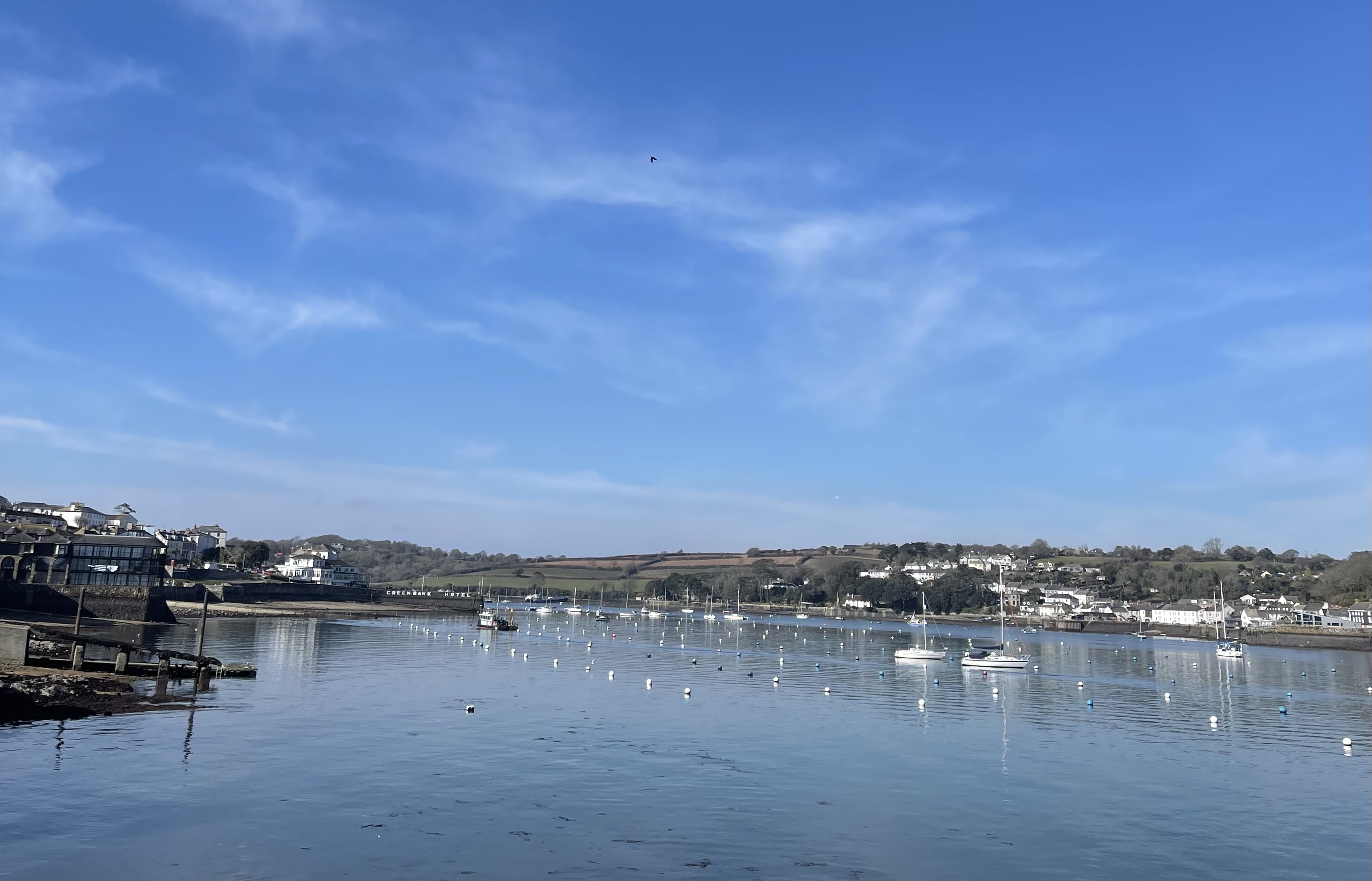
(Falmouth Harbour, photo credits: Kiera Howells)
AI and toxic algae
Elsewhere along the UK’s coastline, scientists are turning to AI to tackle the growing threat of toxic algae blooms, which are increasing due to rising sea temperatures and nutrient runoff
Toxic algae blooms can release toxins that not only pose a risk to swimmers, but can kill fish, contaminate shellfish and harm marine mammals. It can cause great economic loss for coastal communities, and early warnings can reduce the spread and protect public health.
A Marine conservation master student said, “For things like toxic algal blooms, timing is everything. Even a few days’ warning can protect shellfish stocks and prevent long-term damage.”
Marine scientists can use AI to analyse water-quality data, such as chlorophyll levels and sea surface temperatures, along with satellite imagery to spot the early signs of a harmful algae bloom forming.
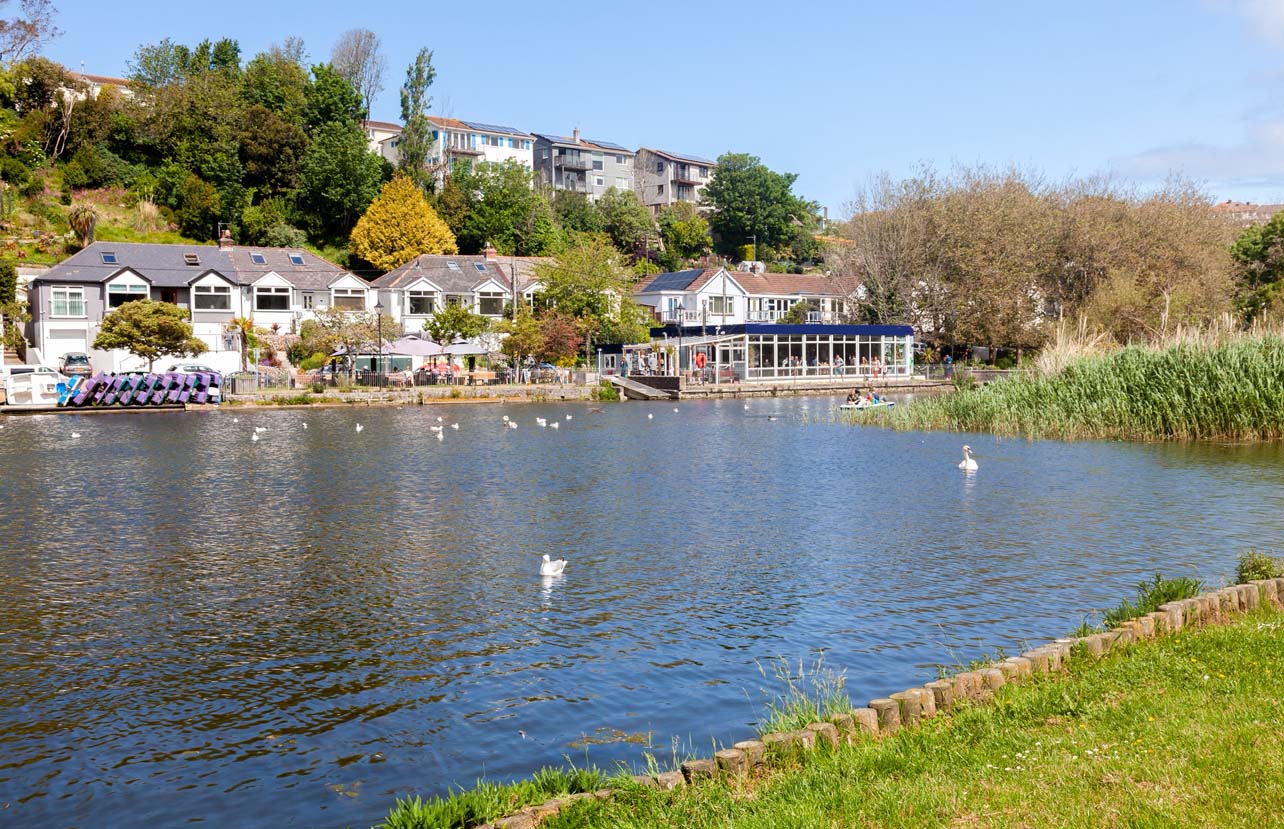 (Newquay boating lake – a place that has suffered from toxic algae. Photo credits: Ian Woolcock)
Together, the two projects highlight how artificial intelligence is increasingly being used as a practical tool in marine conservation. From day-to-day decisions at Falmouth harbour to the long-term monitoring of toxic algae, the technology is offering early warning signs and better oversight in protecting marine environments.
“We’re reaching a point where the volume of ocean data is too large for humans to analyse alone. AI allows us to spot trends early, whether that’s pollution risks in a harbour or conditions that trigger toxic algae. It won’t solve environmental problems by itself, but it gives us a much better chance of responding before damage is done.”