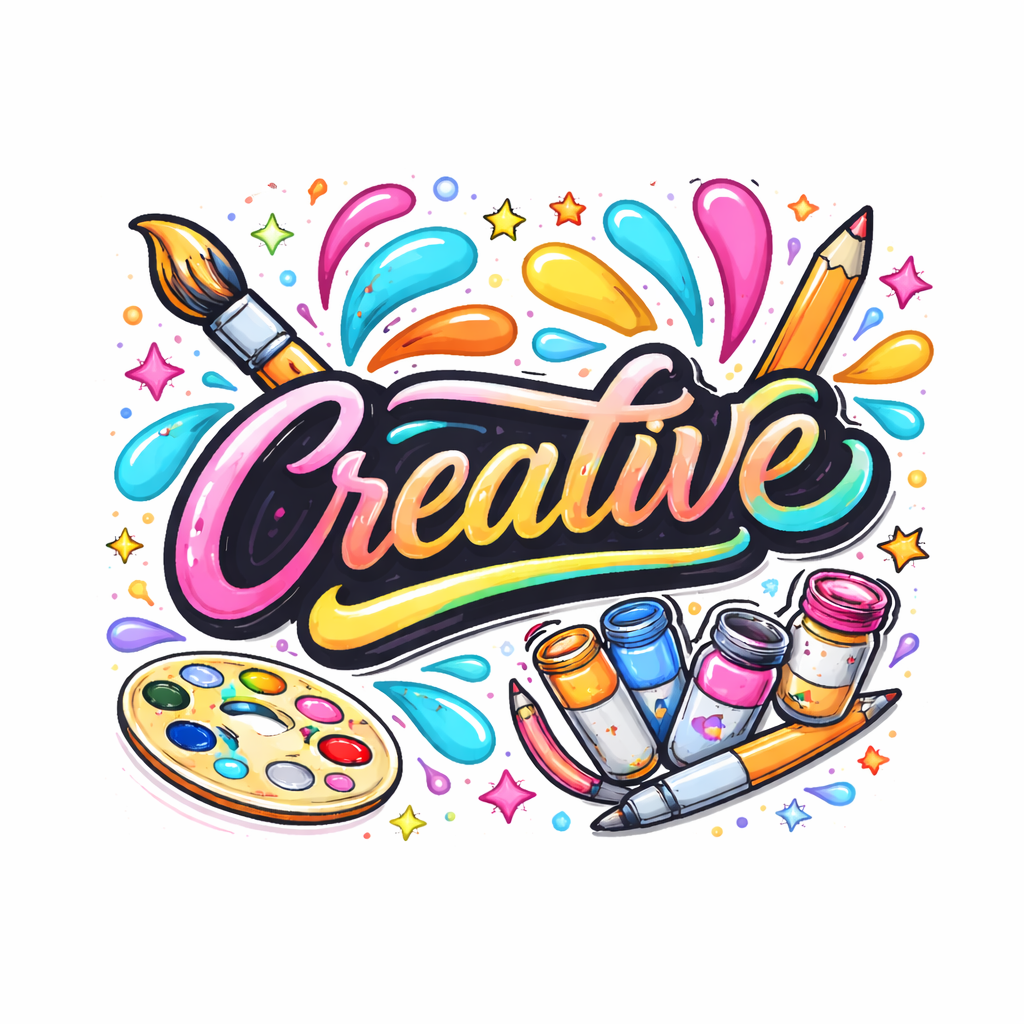
| Examplar AI generated digital art image as requested in chat GPT
Artificial intelligence’s influx into the digital world is creating mass concern towards the future of digital artists.
Recent research into the ethical and professional concerns of artists within the digital field, such as graphic designers, animists and illustrators has revealed grave statistics on just how quickly AI is changing job markets and creating rising anxiety in artists.
According to ‘WifiTalents’ statistics, published in June of last year, 78% of design firms are using AI tools in their key workflow, and AI-driven image editing tools are being used by 59% of digital artists. Yet, according to ‘Gitnux’ 2026 report, a whopping 87% of creators believe AI will negatively affect the human feel and touch of modern art, and 41% of design professional’s feel their jobs are now threatened by AI.
So what did a graphic designer have to say about this?
I spoke to Herbie Reidy, a freelance graphic designer working in London, who despite the difficulties, attempts to completely reject AI both professionally and personally. Herbie told me he tries to “not interact with AI in any capacity”, particularly for image generation or language models as he fears it could “rid the human race of intelligence and creativity within just a few generations”. He admitted that this does mean his work takes longer than if he was to use AI as many of his peers do.
Herbie shared how much web design work has reduced since the influx of AI, mainly due to the huge growth of AI tools available for anyone to design websites or graphic imaging. Even though, Herbie says, “These AI models were trained on millions of websites which were created by humans and it is now stealing their ideas without accreditation”.
So where exactly is AI showing up in the digital art world?
Huge AI toolkits are now being both employed and curated by digital art spaces. For example, Adobe Firefly, which was adopted by 6 million users within 9 months of its launch. Aswell as Re-craft, holding 4 million users since its 2025 launch. The numbers are whopping, but if the humanitarian element isn’t there, how is AI still sneaking through the cracks? Herbie tells us how it is promotional feature such as logos, advertisements where AI is taking the lead. “Each of these that I see is a potential job that could have been given to a graphic designer who could have created something substantially better”. Financially, he went on “This also means that clients are expecting to pay less for commissions because they could do it themselves using AI”.
Will AI ever be able to replace human curated digital art?
Despite the fears, when asked about the future of AI and digital art, Herbie’s answers aligned with the statistics. He told me that for him “Art fundamentally exists to invoke emotions within humans. AI will never be able to understand the actual feelings, therefore its art will always be of less value and complexity.” He went on to say that “Art without emotion is pointless”.