
When the Robots Clock In: NHS Staff Fight for Their Future

Artificial intelligence is rapidly transforming the way organisations operate, and the NHS is no exception. Across the country, hospitals are beginning to adopt AI systems to enhance administrative processes, reduce waiting times, and lower costs. But for many long-serving employees, these advances come with uncertainty about their future.
At West Cornwall Hospital in Penzance, Lucy Smith is the booking management lead. Smith has been working at West Cornwall Hospital for 26 years; therefore, she has witnessed firsthand the effect which AI has had. Smith’s responsibility in the hospital is managing a small team that books outpatient appointments across the county. Her team ensures that patients are scheduled efficiently and that clinics run smoothly, providing a vital link between patients and healthcare professionals.
In 2024, the NHS released a report called ‘NHS AI expansion to help tackle missed appointments and improve waiting times’ in this article they included an interview with Dr Deldar, who is the co-founder of Deep Medical, “We’ve already seen how the AI software has helped reduce missed appointments by 30% and get other patients into the remaining 70% of missed appointments.” The software collects and analyses patient data and fills in available slots. This, therefore, allows the hospital employers to focus on more serious tasks.
Smith acknowledges these advantages and understands that it is designed to automate booking processes and improve data accuracy, thereby helping to streamline administrative workloads. However, she is not entirely sure of the specific types of AI being implemented, as she hasn’t been directly involved in the development or rollout of the new systems. For many long-term employees, this lack of involvement has led to uncertainty and anxiety about the future of their roles.
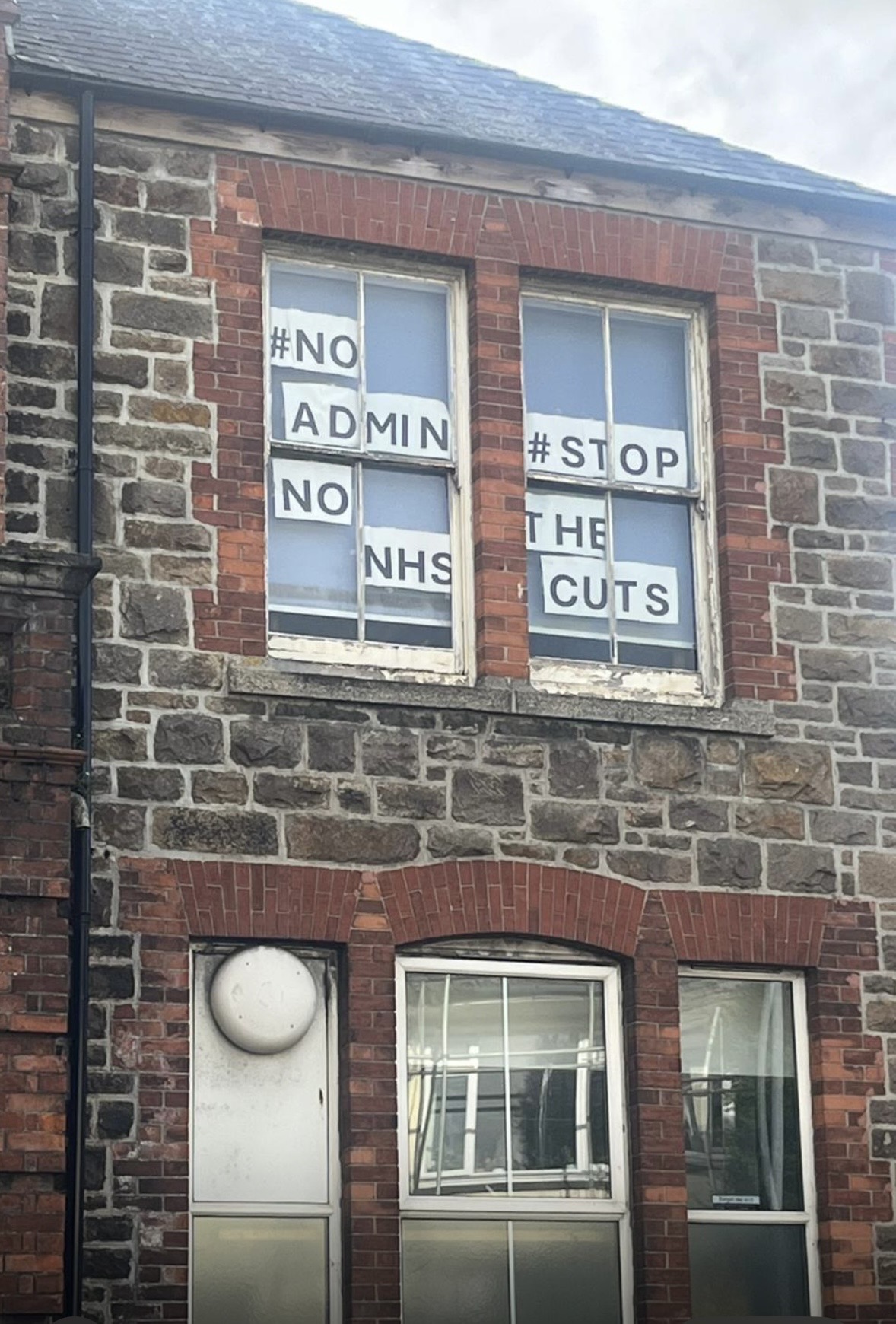
As the capabilities of AI have increased, it has prompted the NHS to consider job cuts. According to Smith, “Some of my colleagues have worked in this department for 35 years and this is the first time that their jobs are at risk of being replaced rather than redefined.” She adds that although there is clear potential for AI to improve efficiency, “It’s unsettling to see changes introduced before the systems are fully tested or implemented.”
Smith believes that AI can be a useful tool when applied thoughtfully. It can help with routine administrative tasks, such as scheduling standard appointments or managing cancellations, thereby reducing human error and improving productivity. However, she is firm in her view that technology should support, not replace, the workforce. What AI cannot replicate, she stresses, is the empathy, reassurance, and adaptability that come from direct human interaction with patients.
Recently, Smith and her colleagues were asked to complete an assessment to determine who would retain their jobs following the AI rollout. Smith said, “It feels like a game that’s had little consideration of the livelihoods of the people and their connected families who work and provide expertise and guidance to patients.” When asked about her opinions on the assessment that the administration colleagues need to complete.
As hospitals embrace technology to improve efficiency, workers like Lucy Smith find themselves at a crossroads balancing the positive and negative effects which AI will have on her career.