
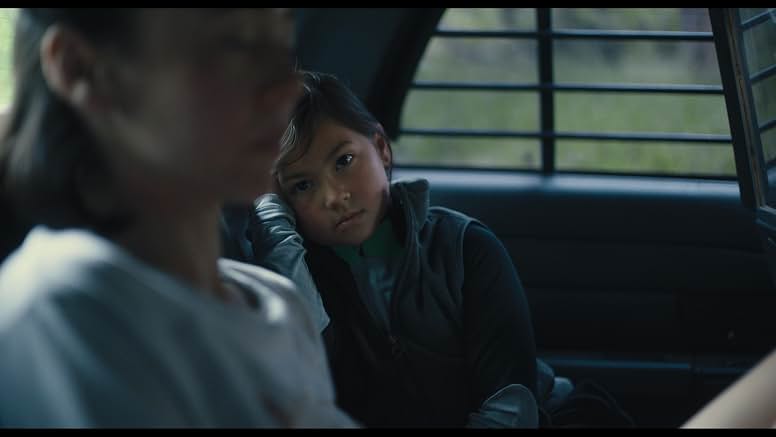
Josephine: The film follows an eight-year-old girl who witnesses a brutal assault Photo: IMDb
Josephine (2026), Directed by: Beth de Araújo, Runtime: 121 minutes, Rating: 18+
My Rating: ★★★★
Josephine is a haunting reminder of the harsh realities of womanhood, the justice system and the fight to understand trauma. It follows the story of an eight-year-old girl called Josephine who is on the run with her dad when she becomes the sole witness to a brutal rape. Struggling to understand what happened, she and her family try to cope with the ramifications and her role in the trial.
As part of the Cornwall Film Festival, Josephine was screened at the Poly, part of their ongoing programme of critically acclaimed movies.
From the first shot, you’re thrown into the scene not just emotionally through the father-daughter dynamic, but also through the camera work. Throughout the film, the camera shifts from steady wide shots to handheld, eye-level shots from Josephine’s perspective. This is a harrowing way to put the audience in her shoes. Instead of watching this violent act from a third-person perspective, you’re watching it through Josephine’s eyes. The camera angle from her eight-year-old eye level also adds to the sense that everyone else is imposing on her, which bleeds into her fear and her approach to healing.
The way the director chooses to represent the physical embodiment of trauma, like a shadow following Josephine around, was poignant and yet at times terrifying. Her fear manifests in ways that go beyond simple fear; they slip into the ways so many women before Josephine have tried to protect themselves, and any woman in the audience, I’m sure, could resonate with. Yet putting it into the consciousness of an eight-year-old is a unique way to view such a complex situation. Viewing it as good or bad, without the adult nuances of morality.
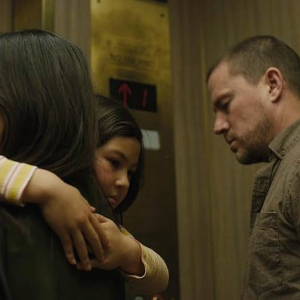
Outstanding performances: Tatum and Chan ground the movie with their parental portrayal Photo: IMDb
The main cast, Gemma Chan [Claire], Channing Tatum [Damien] and Mason Reeves [Josephine], are all outstanding. Josephine is Reeves’ acting debut, with the young actress delivering a raw, emotional, and at times devastating performance as a child dealing with something they should never have to. Tatum and Chan capture the tug-of-war between parents who want justice and those who try to protect their child beautifully and, at times, frustratingly, balancing a sense of normalcy and moving forward with their lives while also helping an eight-year-old comprehend what she’s witnessed. Tatum is the most surprising, since I’d only seen him in comedies like ‘She’s the Man’; I questioned his ability to handle the serious subject matter. Yet, the audience was held in raptures through his most significant moments.
At its core, it is tragic, sobering and harrowing. However, it feels like something everyone should watch because it diligently reflects and analyses the complexities and reality of the world we live in.
If you missed the screening at the Poly, you can still see it at Odeon and Cineworld Cinemas. The Film Festival comes to a close on 26 November, with two events in this year’s programme.