
Falmouth, Cornwall Trelawney Road appears calm at first glance: a quiet residential street whose lime trees have shaded the pavement for six decades. Their branches once scattered autumn leaves across the tarmac, now cleared away. But beneath this quiet and unassuming setting, a conflict more than a year in the making has reached a decisive moment.
Cornwall Council has confirmed that the row of lime trees will soon be felled, citing structural and safety concerns. According to the council, the tree roots have spread beneath the pavement, disturbing underground utility infrastructure and causing sections of tarmac to lift, creating what they describe as an increasing hazard to the public.
This is not the first attempt to remove the trees. Previous efforts were halted by repeated protests from local residents, many of whom argue the trees are an important part of the neighbourhood’s character and ecological value. Each scheduled felling has drawn crowds, objections, and sometimes tense standoffs.
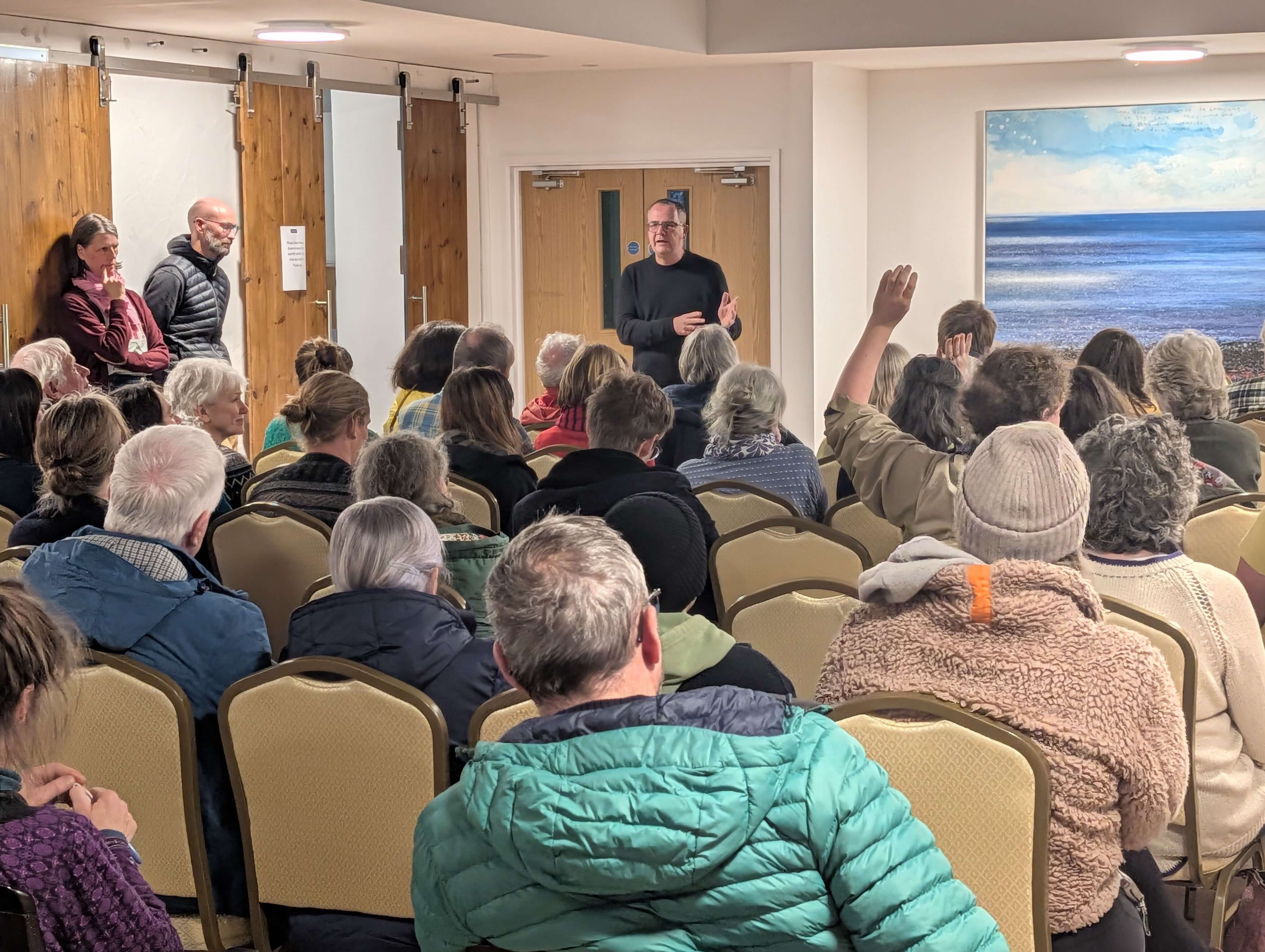
In an effort to restore trust and explain the decision-making process, Cornwall Council recently met with local campaigners from the protest group Stop the Chop. The meeting, chaired by Phil Mason, the council’s Strategic Director for Sustainable Growth and Place, was billed as a chance for open dialogue and transparency.
Discussions ranged widely, with questions raised about ecological assessments, the necessity of the removals, and an out-of-court settlement linked to the dispute, a settlement Mr. Mason acknowledged he regretted was handled privately. At several points, tensions in the room escalated, leading to raised voices and accusations that Mr. Mason was stalling or avoiding direct answers.
Despite the heated atmosphere, the meeting concluded with no change to the council’s position. Mr. Mason reiterated that the felling would proceed, stating the council had acted lawfully and in what it believes to be the public interest, a claim many attendees openly challenged.
Following the meeting, Mr. Mason offered a brief statement reaffirming the council’s stance, dismissing speculation that the decision might be reversed.
Protests are expected on the day the work begins, and police are anticipated to be present. For many residents, the impending removal marks the end of a lengthy and emotionally charged dispute. For the lime trees that have stood along Trelawney Road for more than 60 years, it appears their time is running out.